Featured
Excitement About How Much Should I Pay Credit Cards or Ta...
Private How Nurses Can Reduce Loan Payments Without Refin...
Little Known Facts About Technology Transforming Best Bud...

Private How Nurses Can Reduce Loan Payments Without Refinancing Programs Reviewed Things To Know Before You Buy
Table of Contents
That liberates money in the short term, and you may have 3 to 4 years to save towards the settlement quantity. Really damaging to credit history, largely due to missed payments and a negative "settled" mark that can remain on your credit rating report for up to seven yearsMay be just alternative if various other alternatives (financial obligation consolidation, equilibrium transfer credit rating cards, financial obligation mercy) aren't possibleTypically calls for a fee to the third celebration, which can offset some or every one of the savings from financial obligation settlementMay assist you stay clear of bankruptcy if you have actually missed out on numerous paymentsNot all creditors deal with debt settlement firms Financial debt forgiveness might be appropriate for you if you are experiencing a financial difficulty that makes it almost impossible to pay down your financial debt balances.

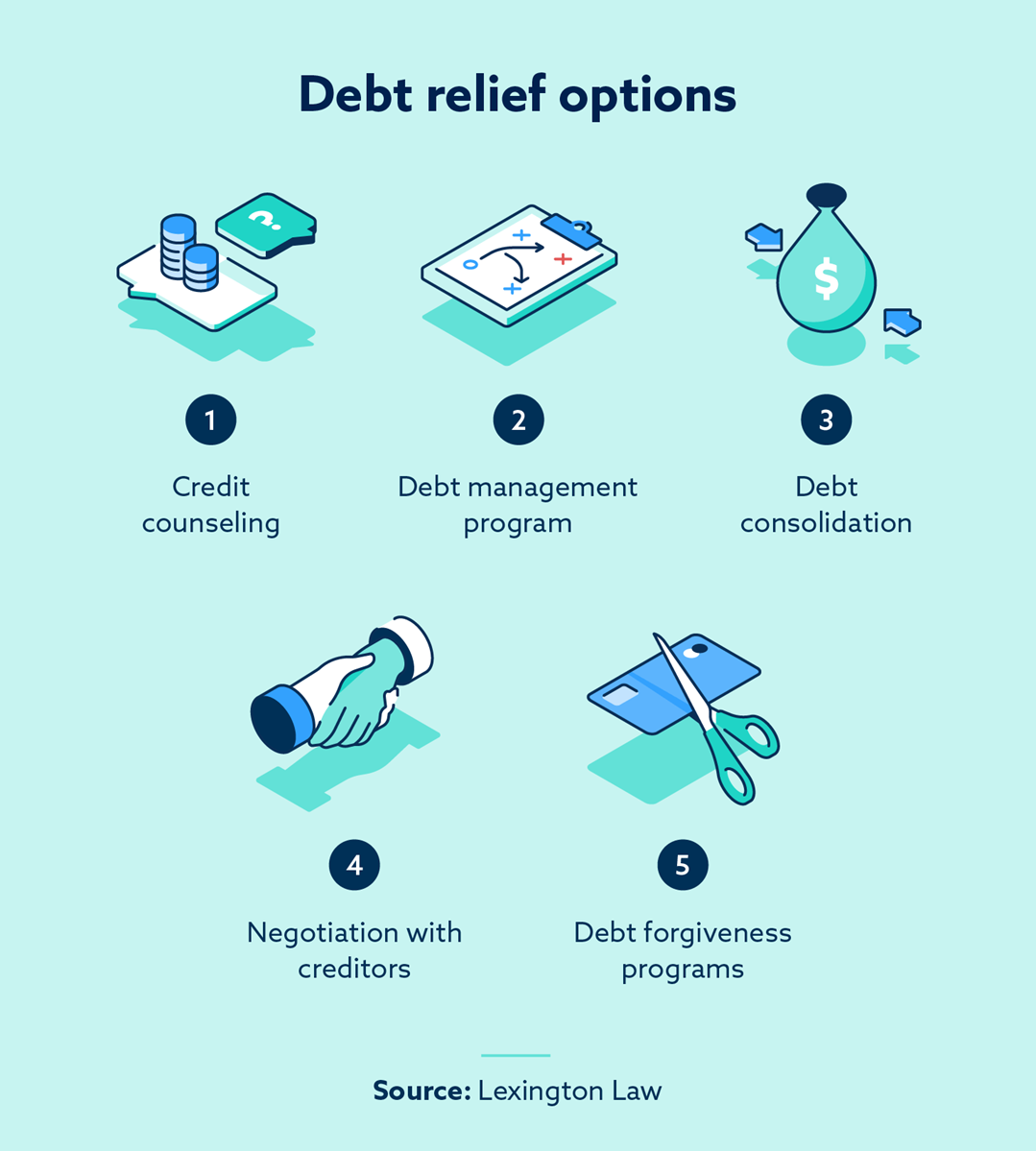
With a DMP, you make one monthly settlement to the credit therapy company. Those funds are then distributed to financial institutions of your unsecured financial obligations, such as bank card and installment loans. The company collaborates with your financial institutions to lower rate of interest or forgo costs, yet some creditors might refuse such concessions.
It can help you pay down financial obligation if you're able to safeguard a loan price that's lower than the average rate of the accounts you're combining. You need to refrain from racking up debt on those freshly gotten rid of accounts or your debt might grow also higher.
That offers you plenty of time to get rid of or substantially reduce your equilibrium while making interest-free settlements.
Some Known Details About Federal Resources for Financial Assistance
You might require it if your financial institution or a collection firm ever before attempts to collect on the financial obligation in the future. When a lending institution forgives $600 or even more, they are required to send you Type 1099-C.
Financial obligation mercy or negotiation usually harms your credit rating. Anytime you settle a financial obligation for less than you owe, it might look like "cleared up" on your credit scores record and influence your credit history for seven years from the day of settlement. Your credit can likewise drop significantly in the months causing the forgiveness if you drop behind on payments.
The 8-Second Trick For Technology Is Making Debt Relief Better
Tax obligation financial obligation compromise programs Tax obligation debt happens when the quantity of tax obligations you owe surpasses what you have paid. This situation often arises from underreporting income, not submitting returns on time, or disparities found during an IRS audit. The consequences of accumulating tax financial debt are serious and can include tax obligation liens, which offer the IRS a legal insurance claim to your residential property as safety for the financial obligation.
Higher rate of interest on readily available credit history. Incomes and Financial institution Accounts IRS can levy (take) wages and savings account to please the debt. Decreased earnings and interruption of crucial economic processes. Property Seizure In extreme cases, the IRS can take and offer home to cover the financial obligation. Loss of valuable possessions and potential variation.
Social Stigma Dealing with lawful activity from the IRS can lug social preconception. Work Opportunities An inadequate credit report rating due to strain financial obligation can limit employment chances. Federal government Benefits Tax obligation debt might affect eligibility for federal government advantages, such as Social Security and Medicaid.
An Unbiased View of Free Accessible Debt Counseling Materials for Consumers
The OIC thinks about numerous variables, consisting of the taxpayer's revenue, expenses, property equity, and capability to pay. Efficiently bargaining an OIC can be complex, calling for a comprehensive understanding of the internal revenue service's guidelines and a solid argument for why your offer aligns with your capability to pay. It's important to note that not all applications are approved, and the procedure calls for comprehensive financial disclosure.
The internal revenue service evaluates your general financial situation, including your earnings, costs, asset equity, and capacity to pay. You should additionally be present with all filing and payment demands and not be in an open insolvency case. The internal revenue service likewise considers your compliance history, assessing whether you have a document of timely filing and paying tax obligations in previous years.
The 8-Minute Rule for Things to Avoid While Selecting a Debt Counseling Provider
The application process for an Offer in Concession involves numerous in-depth steps. You should finish and submit IRS Kind 656, the Deal in Compromise application, and Kind 433-A (OIC), a collection information statement for individuals. These kinds need thorough monetary details, including details concerning your revenue, financial debts, expenses, and possessions.
Back tax obligations, which are unpaid tax obligations from previous years, can dramatically raise your complete internal revenue service financial obligation otherwise resolved immediately. This debt can build up rate of interest and late settlement charges, making the original amount owed a lot bigger gradually. Failure to pay back taxes can result in the IRS taking enforcement activities, such as providing a tax obligation lien or levy versus your home.
It is very important to attend to back taxes immediately, either by paying the full amount owed or by preparing a settlement plan with the internal revenue service. By taking proactive actions, you can prevent the build-up of additional passion and charges, and stop more aggressive collection actions by the internal revenue service.
One typical factor is the idea that the taxpayer can pay the full quantity either as a swelling amount or with a repayment strategy. The IRS likewise takes into consideration the taxpayer's revenue, costs, possession equity, and future earning capacity. If these elements show that the taxpayer can pay for to pay more than the provided quantity, the internal revenue service is most likely to turn down the deal.
Rumored Buzz on Their Team Method with Clients
It is important to give accurate and full info in your application and to seek advice from with a tax specialist to enhance the possibilities of acceptance. Handling internal revenue service debt can be intricate and difficult. Tax professionals, such as CPAs, tax attorneys, or signed up agents, can offer important aid. They have the knowledge to browse the intricacies of tax legislation and internal revenue service treatments.

Table of Contents
Latest Posts
Excitement About How Much Should I Pay Credit Cards or Taxes First? Your Complete Debt Priority Guide : APFSC Generally Charge
Private How Nurses Can Reduce Loan Payments Without Refinancing Programs Reviewed Things To Know Before You Buy

The Your Rights Ideas
More
Latest Posts
Excitement About How Much Should I Pay Credit Cards or Taxes First? Your Complete Debt Priority Guide : APFSC Generally Charge
Private How Nurses Can Reduce Loan Payments Without Refinancing Programs Reviewed Things To Know Before You Buy
The Your Rights Ideas